Yellow Legged Hornet - Everything You Need to Know
What is the Yellow Legged Hornet?
The Yellow Legged Hornet (YLH) is an invasive species of wasp that feeds on social bees and wasps including Western honeybees. Beekeepers have sustained colony losses resulting from YLH attacks.
Where has it been identified so far?
Originally from Southeast Asia, the YLH was introduced into France in 2004 where it quickly spread across much of Western Europe. In the U.S. the YLH was Initially identified in Savannah, GA and subsequetly in SC – Beaufort, Charleston, Colleton, Hampton, Jasper, and York counties.
How do you identify the Yellow Legged Hornet?
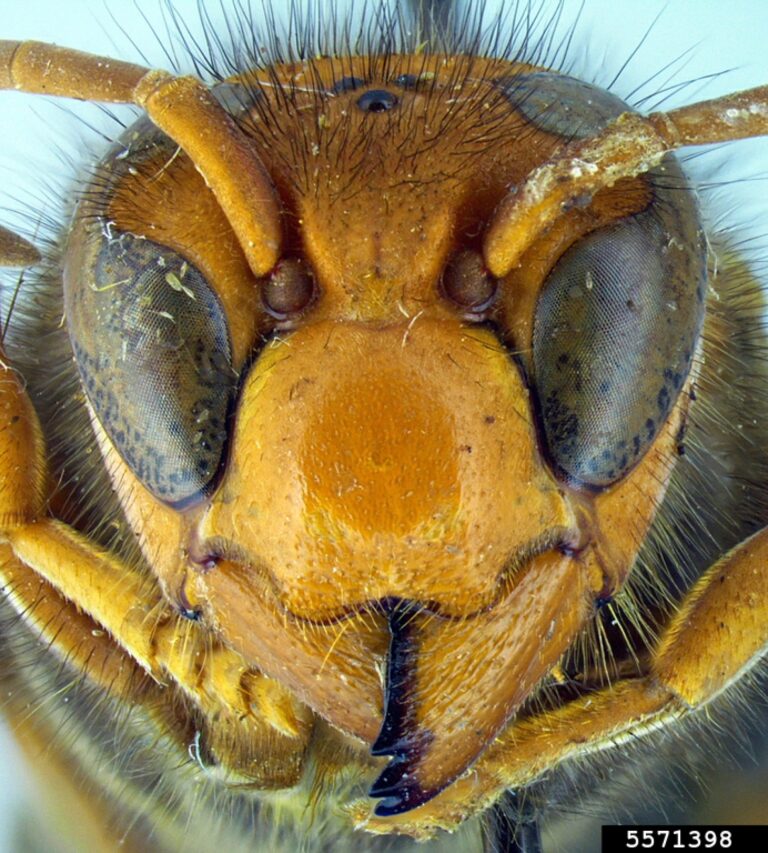
The following are distinguishing features of the YLH. All of these features combined identify the YLH.
- Black eyes
- Black head with yellow/orange face
- Solid black/dark brown thorax
- Alternating bands of dark brown/black and yellow/orange
- Yellow tipped legs
- Body length ranges from 0.7–1.0 inches
Check out the look-alikes here and become familiar with what is and what isn’t a YLH so you can spot them quicker.
What can you do to help track the Yellow Legged Hornet?
Stay vigilant – monitor the front of your hives for hawking behavior. The YLH hovers like a hawk at the front of hives picking off honey bees that are coming and going.
Report sightings – share what you are seeing – report sightings to Brad’s team.
Make traps – check out this video that describes exactly how to put your own traps together. It’s so simple and cheap so there’s really no excuse not to set up some traps in the vicinity of your hives.
Per trap you need:
2 cups dark brown sugar
2 cups grape juice
Water
An empty milk carton / juice container or similar
String or twine to hang each trap
Something to cut a hole in the container
How do you report sightings?
Report sightings here.
If you believe you have encountered YLH/s or a nest it is vital you submit sightings to the inspection team for action. All submissions MUST come with a picture so grab your phone and capture what you are seeing. You MUST NOT attempt to remove nests yourself.
This video will walk you through how to complete the form.
What you must NOT do
It is vital you DO NOT attempt to remove nests yourself. This poses the risk of the queen escaping to start another hive elsewhere. Brad’s team are specially trained to secure the entire nest and prevent spread during removal. Please use the reporting form and the team will act on your sighting with urgency.
What else can you do?
Talk and share. It doesn’t seem to matter how much we talk, and share information about the YLH problem, there are still beekeepers out there that don’t know about it or quite how significant the problem is. Please share all you know with your fellow beekeepers, gardeners and friends.
How do you stay informed?
Visit the Clemson Department of Plant Industry’s page on the Yellow Legged Hornet for more information.
Subscribe to the Hornet Herald (details below).
Monitor our emails.
Follow us on social media (links at the end of this email).
Follow the Invasive Species Program social page.
Continued establishment of this pest in the U.S. poses a significant threat to our pollinator populations. Together WE CAN prevent the spread.
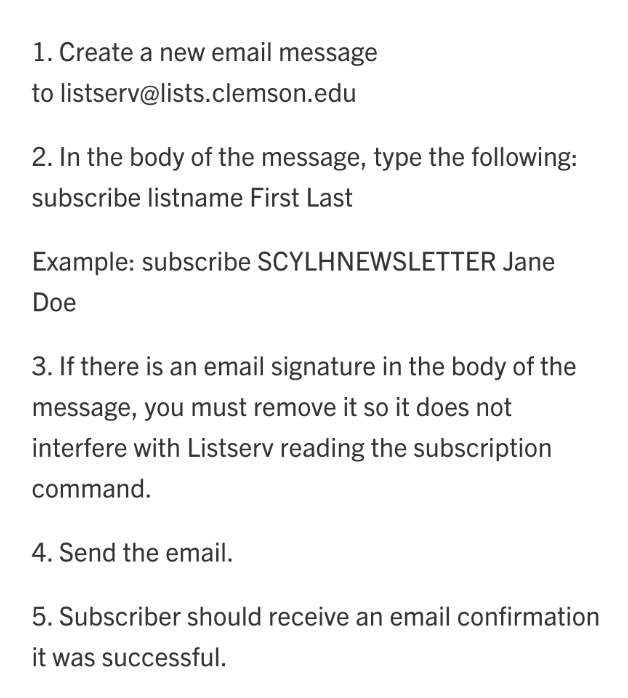
Subscribe to the Hornet Herald
Scan the QR code and it will auto-create an email for you. Otherwise, follow the numbered instructions.